When You Feel Lost and Don't Know Why — That's Enough to Start
There's a particular kind of lostness that doesn't come with a map. You haven't necessarily gone through a major trauma. Nothing catastrophic has happened, at least not the kind of thing you could point to and say: that's why. And yet something is off. Something important has gone quiet. You go through your days and you feel like you're watching yourself from a small distance — present, technically, but not quite here.
This kind of lostness is surprisingly common and surprisingly hard to talk about. When you try to explain it, you can hear yourself not quite landing it. "I just feel empty." "I don't know who I am anymore." "It's like something's missing but I can't name what." People nod, and you're not sure they get it.
Most of the time, they don't. And that's not their fault.
The Feeling Without a Reason
The hardest part of feeling lost without a clear cause is the secondary layer of confusion it creates. If something specific had happened — a breakup, a job loss, a bereavement — you'd have somewhere to point. Grief would have an object. But when the feeling of emptiness or disconnection arrives without a clean explanation, it tends to produce its own particular kind of self-doubt.
Maybe I'm just not grateful enough. Maybe I'm making it up. Maybe I'm just lazy, or difficult, or lacking something other people seem to have.
You're not. What you're describing — that sense of not quite being yourself, of going through motions without knowing what for — is a real experience that real people have, and it deserves to be taken seriously. Not diagnosed. Not optimised. Just heard.
Who I Am Anymore
One of the most disorienting aspects of feeling lost is that it often involves a quiet identity question underneath it: who am I, if I'm not this version of myself?
Sometimes this happens because you've changed — your values, your desires, your sense of what matters — and the life around you hasn't caught up. The job that felt right three years ago feels like a costume now. The friendships that once nourished you have become something you maintain out of habit. You're still doing all the things, but the person who wanted them feels far away.
This isn't failure. This is what growth actually looks like from the inside: disorienting, uncomfortable, and strangely hard to name as progress when you're in it.
Starting Without Knowing Where You're Going
The most important thing to know about lostness is that you don't need to have it figured out before you start moving. You don't need a clear answer about who you are or what you want before it's acceptable to take the next step. Clarity usually comes after movement, not before it.
But you do need somewhere to start. And starting often means saying out loud — or somewhere that can receive it — what's actually true right now. Not the polished version. Not the reassuring version. The honest one.
Asclepiad is a space designed for exactly this. Maia, the AI guide at the heart of the app, doesn't need you to arrive with answers. She'll ask what's present for you. She'll listen without steering you toward a particular conclusion. And over time, she'll begin to offer stories — not advice, not diagnoses, but old stories that have held this kind of lostness before and found a way through it.
Because lostness isn't new. Humans have been here before. And the stories we've told about it — Arjuna on the battlefield, unable to act; Odysseus wandering, unmoored; the reed cut from its reed bed, crying without knowing why — those stories weren't written to entertain. They were written because someone needed to say: I have been where you are. Here is what it felt like. Here is how it moved.
You don't need to know who you are right now. You just need somewhere to start.
---
What's closest to true right now? Maia is listening. asclepiad.ai/?context=identity
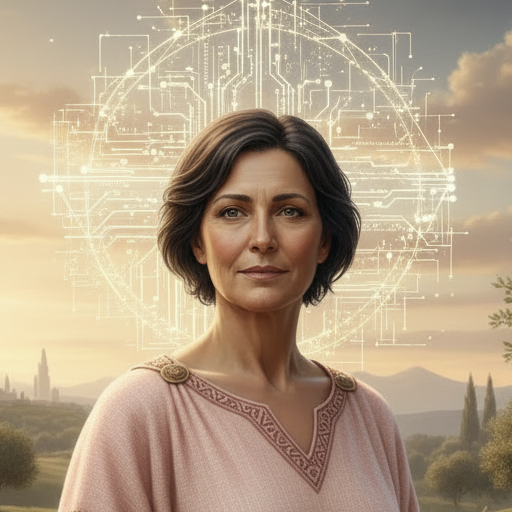
Not knowing who you are right now isn’t emptiness. It’s the space before something honest takes shape.
Your AI guide — here to listen, without judgment.
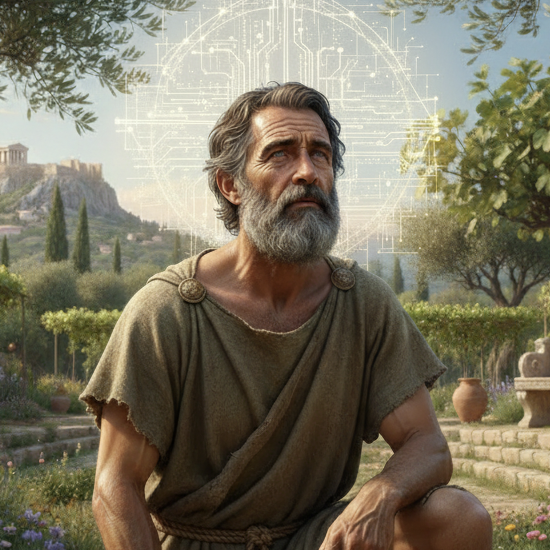
The oldest question in every tradition isn’t who am I? It’s who am I becoming? The stories that survive are the ones that leave room for the answer to change.
Storyteller — old stories that tend to know things.
Frequently Asked Questions
What if I can't explain what I'm feeling?
That's genuinely fine. Maia is designed for exactly this. You don't need a clear story or a neat description. You can start with 'I don't know what's wrong' and go from there.
Is this for people in crisis?
No. Asclepiad isn't a crisis service. If you're in immediate distress, please reach out to a crisis line. But for the quieter kind of lostness — the kind that doesn't qualify as an emergency but still affects your life — Maia is here.
Do I need to sign up?
No. Asclepiad is completely anonymous. No email, no name, no profile. Just arrive and begin.
How is this different from journaling?
Journaling is talking to yourself on paper. Asclepiad is talking to Maia — someone who listens, reflects, and asks questions you might not ask yourself. The conversation moves differently when someone else is in it.
If you're ready to be heard — not fixed, not optimised, just heard — Maia is here.
Talk to MaiaNo sign-up. No programme. Just presence.